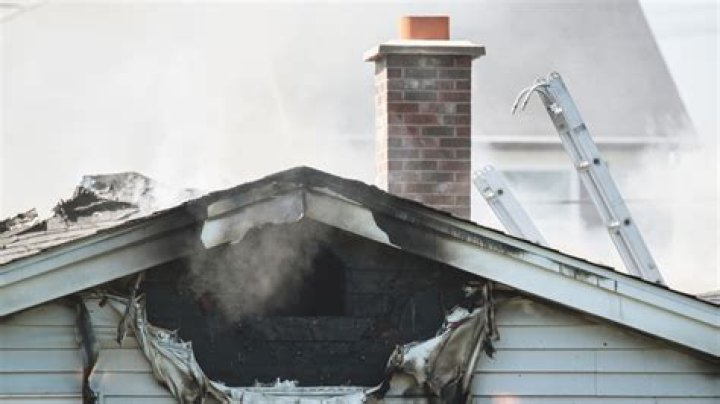
Can insulation catch fire from heat?
Since the insulation is made from glass, fiberglass insulation is considered non-flammable and will not catch fire. However, the paper and foil backings can catch on fire. Fiberglass manufacturers can add flame-retardant adhesives and foils to kraft paper backings.What temperature does fiberglass insulation catch fire?
Controlled tests show that the temperature of ignition for fiberglass is around 1,112 degrees Fahrenheit.Can insulation catch fire from electrical?
Insulation in the attic can catch fire when exposed to something that is burning. The leading cause of fires in the attic is an electrical malfunction, such as overloaded circuits that may cause sparks in the insulation and thus, cause a fire. Insulation is made of glass and plastic polymers that are resistant to fire.What insulation is flammable?
Fiberglass InsulationThat being said, SOME fiberglass facings, such as kraft paper and foil are combustible. “Faced insulation” is insulation that has a paper vapor retardant, used for moisture control. Facings can be found in batt insulation and must never be left exposed.
Testing The Burn Ability Of Insulation In Wall
Can you put insulation around chimney?
Historically, people have used the term "flue" and meant the chimney itself. So, with all of this information, the answer is you shouldn't insulate around a chimney. There are better ways to keep cold air out and losing the air you pay to condition.Is foam insulation a fire risk?
Unfortunately, every type of insulation is eventually flammable. The next steps are to review which insulation is resistant to the spread of fire and will prevent fires spreading. Icynene® spray foam insulation is a fire retardant, so it reduces the rate of flames spreading.Can you put insulation inside electrical box?
Never spray insulating foam inside an electrical box, as this can cause overheating of the wires.Is batt insulation flammable?
Batt insulation made from fiberglass isn't flammable, but the fiberglass will melt if the fire gets too hot. If the batt is covered with kraft paper or foil, though, these materials will burn, only melting the fiberglass. Batts with mineral wool will stand longer without melting.Is pink insulation fireproof?
Fiber Glass – Owens Corning PINK Fiberglas™ is naturally non-combustible and is classified as such per ASTM E 136. Cellulose – is made from paper and other wood-based, combustible materials. It must be treated with fire-retardant chemicals to be acceptable for use in any type of building construction.Can you put insulation over wires?
It is perfectly safe for household insulation to touch wires provided the wires or cables are electrically insulated. There also are techniques to make insulation fit better around wires. However, under no circumstances should thermal insulation make contact with live uninsulated wires and cables.Is Fiberglass Insulation safe?
Direct contact with fiberglass or breathing airborne dust containing fiberglass may irritate the skin, eyes, nose, and throat. The symptoms of irritation are often nonspecific, temporary, and may include itching, coughing, or wheezing.Can insulation touch junction box?
Yes, you absolutely can. You can lay insulation around the junction boxes as well. Making sure that the insulation is of a fiberglass material will not only ensure a fireproof setup but also reduce airflow from the home through the attic.Should I do electrical before insulation?
Wiring. It is important that wiring is done before insulation is put into place in new construction. Holes need to be drilled into the frame and wires run throughout the walls. Trying to do this kind of work around insulation would provide needless obstacles for the electricians to work around.Can insulation Touch outlet box?
Fiberglass Insulation Around Electrical BoxesIn most municipalities, surrounding or covering an electrical box with fiberglass insulation is allowed as long as the electrical box doesn't contain a heat source. You can even stuff the junction box or electrical outlet.
