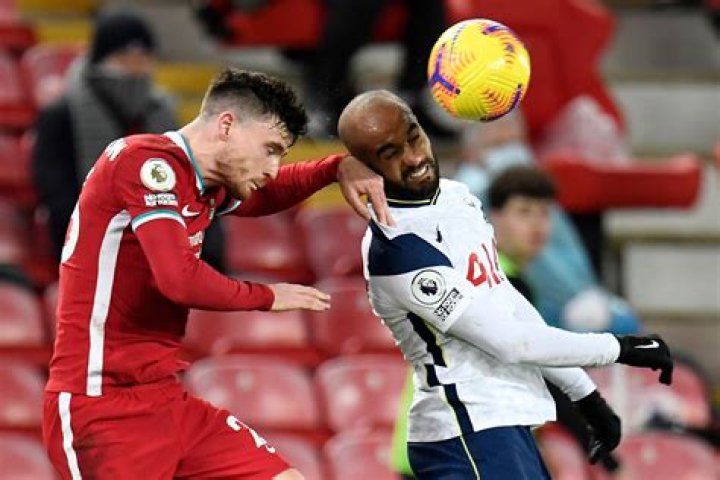
Can heading a ball cause dementia?
"We have known for a long time that repeated blows to the head, such as those suffered by boxers, can make people more susceptible to degenerative neurological conditions such as dementia. What we're now seeing is clear evidence that heading footballs can also significantly increase those risk factors.Does heading a football cause brain damage?
But the impact of heading presents a risk of head and brain injury. Some injuries are severe enough to cause problems immediately or after a few seasons. However, it's also possible to slowly develop symptoms after repeated smaller injuries.Can you get dementia from football?
It has been revealed in a study by researchers at the University of Glasgow that there is a strong link between football and dementia, finding that ex-professional football players are 3.5 times more likely to develop dementia than the general public.Why do football players get dementia?
There might be some as-yet undiscovered reason why footballers are more at risk of Alzheimer's disease, unconnected to heading the ball. However, repeated head trauma is linked to brain damage, so head injury in football is certainly a good place for researchers to start looking.HOW headers damage your brain | Concussions in football
Can football cause Alzheimer's?
Researchers studied the brains of former footballers with memory problems. They found that most had signs of a form of dementia called chronic traumatic encephalopathy (CTE), and all had signs of Alzheimer's disease. However, it is important to note that footballers without memory problems were not studied.Do footballers get Alzheimers?
Professional footballers are up to five times as likely to develop dementia throughout their lifetime, a new study has found. The position played on the pitch and length of career have been identified as particular risk factors.Can Heading the ball cause damage?
A 2018 study by the University of British Columbia found that blood levels of proteins associated with damage to nerve cells increase after heading the ball. A single header is unlikely to cause any significant damage, but over an extended period the combined effect might lead to problems.Do athletes get dementia?
Their fitness in middle age predicted their later risk of developing dementia, the team reported in the journal Neurology. Those who could not even finish the test had a 45 percent chance of being diagnosed with dementia decades later. Those considered highly fit had just a 5 percent risk.How many footballers have got dementia?
Dementia and the Boys of '66In total, five members of England's World Cup-winning team have developed dementia. It's led to the death of four of them. Ray Wilson was the first to succumb, in July 2018, with Martin Peters also dying of dementia, just over a year ago.
Do you lose brain cells when you header a ball?
When a person is hit in the head, the brain bounces back and forth in the skull, the researchers explain, which can lead to damaged brain cells and even damage to surrounding tissue. Such an impact can break nerve fibers called axons or connective cell tissue called synapses.What sport causes the most brain damage?
The following sports/recreational activities represent the categories contributing to the highest number of estimated head injuries treated in U.S. hospital emergency rooms in 2018.
- Horseback Riding: 6,141.
- Golf: 6,357.
- Hockey: 7,668.
- Trampolines: 8,956.
- Rugby/Lacrosse: 10,901.
- Skating: 7,143.
- Playground Equipment: 38,915.
Do headers in soccer cause brain damage?
Routine heading of a soccer ball can cause damage to brain structure and function, according to a new study from the United Kingdom that is the first to detect direct neurological changes by impacts too minor to cause a concussion.What percentage of football players get dementia?
According to a 2014 report by the Analysis Research and Planning Corporation, about 14% of all former NFL players will be diagnosed with Alzheimer's disease, and another 14% will develop moderate dementia.Are athletes more prone to dementia?
Physical activity and exercise have one of the strongest bodies of evidence when it comes to reducing the risk of dementia. In contrast, even if head injuries associated with football do indeed appear to lead to an increased risk of dementia, this risk is likely to be quite small.What activities help prevent dementia?
What kinds of brain exercises should I do?
- Learn something new, such as a second language or a musical instrument.
- Play board games with your kids or grandkids. ...
- Work on crossword, number, or other kinds of puzzles.
- Play online memory games or video games.
- Read, write, or sign up for local adult education classes.
